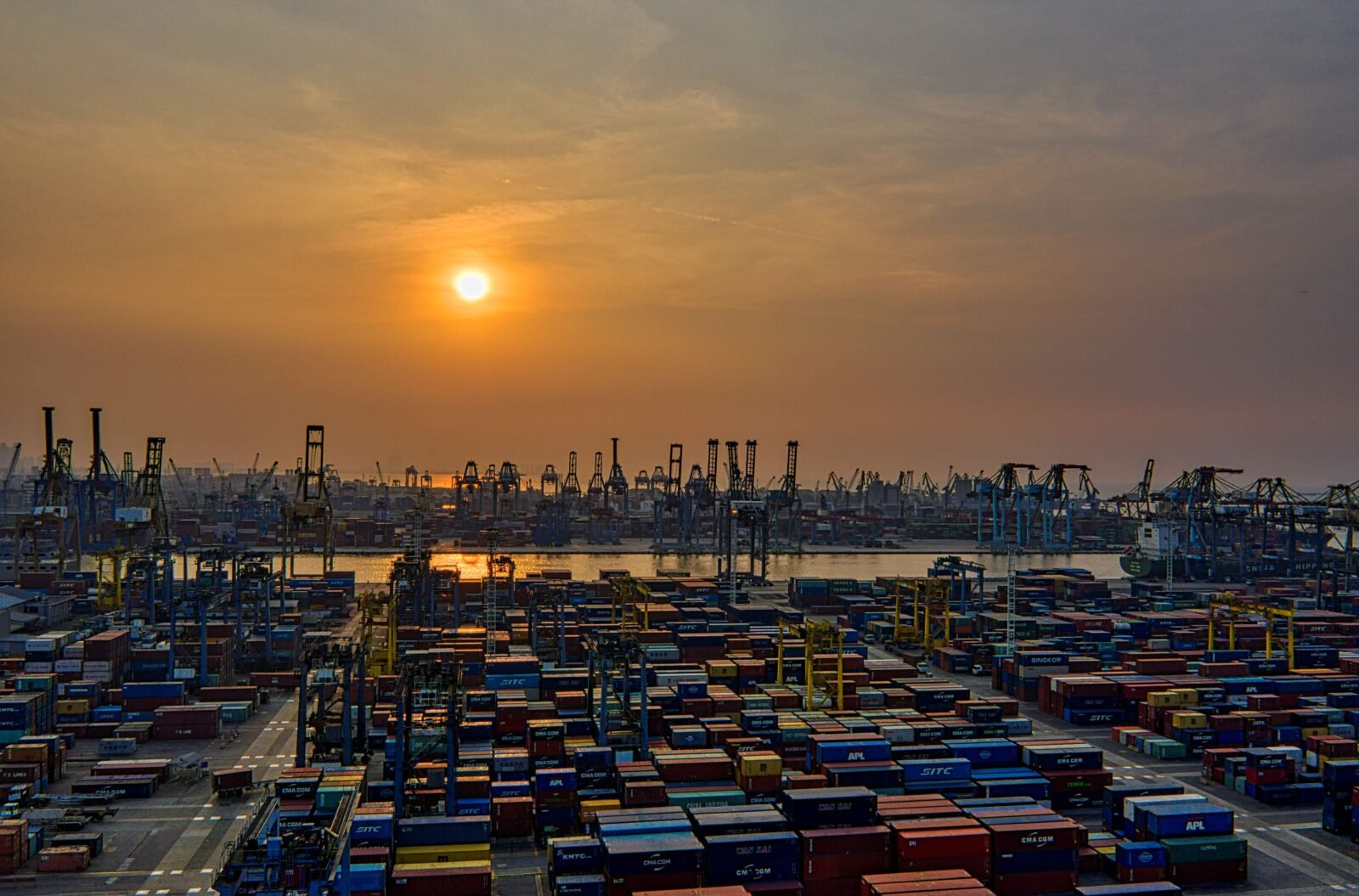

A product that should arrive in days takes weeks. A key part is out of stock for months. Shelves look thin, prices creep up, and customers ask when things will return to normal. Supply chain delays have become a familiar headache for businesses of every size. They rarely have a single cause. Understanding why they keep happening, and how smart businesses adapt, is the first step toward managing them.
What a Supply Chain Really Is
A supply chain is the full journey of a product, from raw materials to the customer’s hands. It usually includes suppliers, factories, ports, warehouses, carriers, and retailers. Each stage depends on the one before it. When any link slows down, the delay passes along the chain, often growing as it goes.
Why Delays Keep Happening
Chains Are Long and Complex
Modern products often cross several countries before they are finished. A single item can contain parts from dozens of suppliers. The more steps there are, the more places something can go wrong, and the harder it becomes to see a problem coming.
Lean Inventory Leaves No Buffer
For years, many companies reduced stock to cut storage costs and free up cash. This approach works well when everything runs smoothly. But with very little inventory on hand, a small disruption quickly turns into a shortage, because there is nothing to fall back on.
Dependence on a Few Suppliers
Relying on one supplier or one region saves effort and often money. It also concentrates risk. If that supplier faces a fire, a strike, a power outage, or a shortage of materials, the entire business can stall.
Transport Bottlenecks
Goods depend on ports, trucks, trains, and ships. Congestion at a port, a shortage of containers, a lack of drivers, or bad weather can create backlogs that take a long time to clear. Because shipping capacity is shared among many businesses, one bottleneck affects everyone using that route.
Demand Is Hard to Predict
Sudden changes in what people buy can overwhelm the system. When demand jumps, suppliers cannot instantly expand production. When it falls, businesses are left with excess stock. Forecasting errors ripple backward through the chain and get larger at each stage, a pattern sometimes called the bullwhip effect.
Shortages of Materials and Labor
Factories need raw materials, components, and skilled workers. A shortage of any one of them can slow production. Some components, such as specialized electronic parts, have only a few producers worldwide, so shortages can affect entire industries.
External Shocks
Natural disasters, extreme weather, political tensions, trade restrictions, and public health emergencies can interrupt flows without warning. Even events far from your business can reach you through the network of suppliers behind your own.
Limited Visibility
Many businesses know their direct supplier but not the suppliers behind that supplier. Without clear information about where parts come from and where goods currently are, problems are discovered late, when options are fewer and costs are higher.
How the Delays Affect Businesses
- Lost sales when products are unavailable.
- Higher costs from rush shipping, alternative suppliers, and material price increases.
- Strained customer relationships when promised dates slip.
- Cash flow pressure as money is tied up in goods waiting in transit.
- Production stoppages if a single missing part holds up an entire product.
How Businesses Can Adapt
Diversify Suppliers
Qualify at least one backup supplier for critical items, ideally in a different location. It may cost a little more at first, but it reduces the risk of a single point of failure. Even a small order placed regularly with a second supplier keeps the relationship alive for emergencies.
Hold Safety Stock Where It Matters
You do not need to stockpile everything. Identify the few items that would stop your business if they ran out, and keep a sensible buffer of those. Balance the cost of storing extra stock against the cost of a stoppage.
Improve Forecasting and Communication
Share forecasts with key suppliers so they can plan ahead. Talk to them regularly, and ask early about potential problems. Open communication often reveals issues weeks before they appear as late deliveries.
Map Your Supply Chain
Take the time to identify your suppliers’ suppliers for critical components. Knowing where risks sit lets you prepare. Even a simple document listing key parts, sources, and alternatives is a strong start.
Shorten Lead Times Where Possible
Sourcing closer to home, or from nearer regions, can reduce transport time and exposure to long-distance disruptions. This is not always possible or cheaper, but it can improve reliability, especially for fast-moving products.
Build Flexibility Into Contracts and Plans
Agree on clear terms with suppliers about delivery times, penalties, and how changes will be handled. Keep production and ordering plans flexible, so you can switch products, materials, or schedules when conditions change.
Communicate Honestly With Customers
When delays are unavoidable, tell customers early and clearly. Give realistic dates, and offer alternatives where you can. Customers tend to forgive delays far more readily than silence or false promises.
Use Technology Wisely
Tracking tools, inventory systems, and shared dashboards improve visibility. They are most helpful when the data is accurate and used to make decisions, rather than collected and forgotten.
What Consumers Can Do
People also play a part. Ordering earlier for things you need, being flexible about brands or models, and accepting realistic delivery estimates all reduce pressure on the system. Supporting businesses that communicate openly encourages better practices.
Frequently Asked Questions
Will supply chain delays ever disappear completely?
Unlikely. Complex global systems will always face disruptions. What improves over time is how well businesses prepare for and respond to them.
Is holding more inventory always the answer?
No. Extra stock ties up cash and storage space, and can become obsolete. The goal is a targeted buffer for critical items, not unlimited stockpiling.
Is local sourcing always better?
Not always. It can shorten lead times and reduce some risks, but costs, capacity, and availability vary. Many businesses use a mix of local and distant suppliers.
How can small businesses cope without large budgets?
Focus on basics: maintain good relationships with suppliers, keep a short list of backups, monitor your most critical items, and communicate clearly with customers.
The Takeaway
Supply chain delays are the result of long, complex, tightly stretched systems meeting unpredictable events. Businesses cannot control every disruption, but they can reduce their exposure through diverse suppliers, smart buffers, better information, and honest communication. Resilience, not perfection, is the realistic goal.